
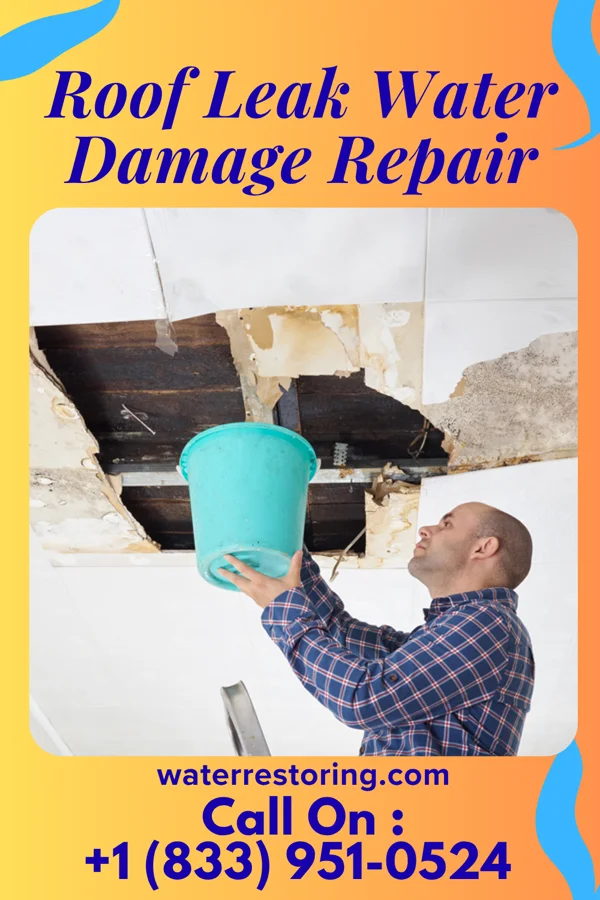
Rothsville Roof Leak Damage: What Owners Should Know
Residential or commercial, water damage emergencies in Rothsville keep coming back to the same drivers. Rothsville, Pennsylvania experiences frequent thunderstorms and heavy rainfall, particularly during the spring and early summer months. These weather patterns can lead to sudden roof leaks and water damage, especially in older homes with asphalt shingle roofs. The area's moderate climate also means that snowmelt in the spring can contribute to additional water infiltration. sits at the top of the list. A close second is The region is prone to high humidity levels, which can exacerbate moisture issues in homes. Additionally, occasional strong winds can dislodge roofing materials, creating entry points for water. These conditions make it essential for homeowners to address roof leaks promptly to prevent long-term damage..
The combination of heavy rainfall, high humidity, and occasional strong winds in Rothsville can lead to significant roof and water damage. Homes in this area often experience issues such as shingle granule loss, water pooling, and mold growth, especially in poorly ventilated attics.
Water damage in Rothsville follows a few local patterns. Rothsville, Pennsylvania experiences frequent thunderstorms and heavy rainfall, particularly during the spring and early summer months. These weather patterns can lead to sudden roof leaks and water damage, especially in older homes with asphalt shingle roofs. The area's moderate climate also means that snowmelt in the spring can contribute to additional water infiltration. accounts for the bulk of our calls. The combination of heavy rainfall, high humidity, and occasional strong winds in Rothsville can lead to significant roof and water damage. Homes in this area often experience issues such as shingle granule loss, water pooling, and mold growth, especially in poorly ventilated attics. Mold can develop within 48 hours of water exposure in Rothsville, making prompt roof leak repairs critical. Prolonged moisture can lead to structural damage, compromised indoor air quality, and expensive remediation efforts, especially in homes with poor ventilation.
For public guidance on the health effects of mold after prolonged water exposure, see the EPA mold and health page.